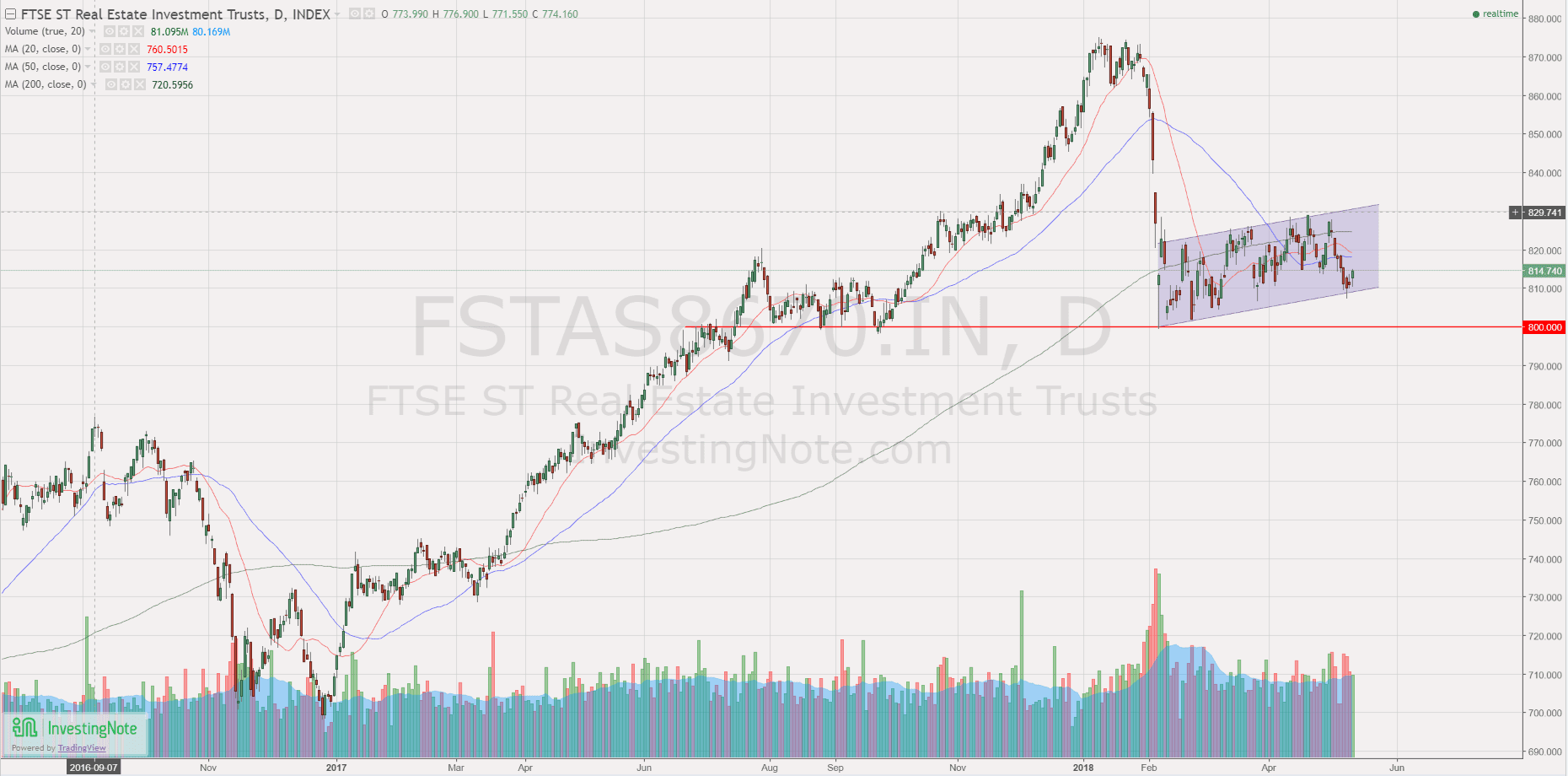
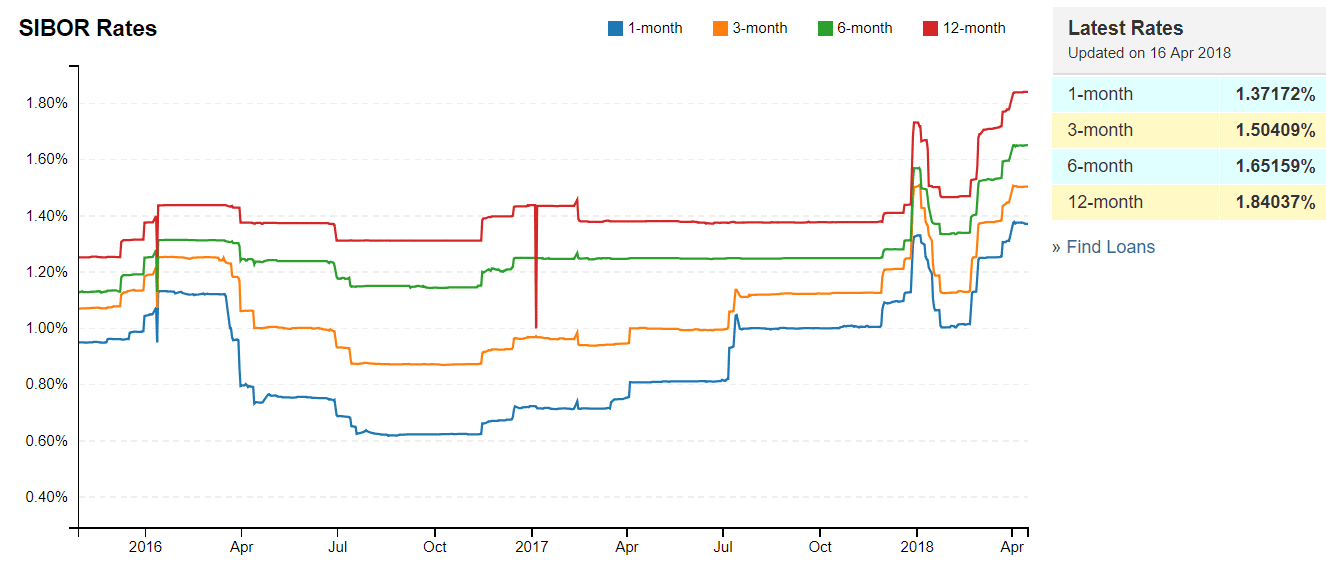
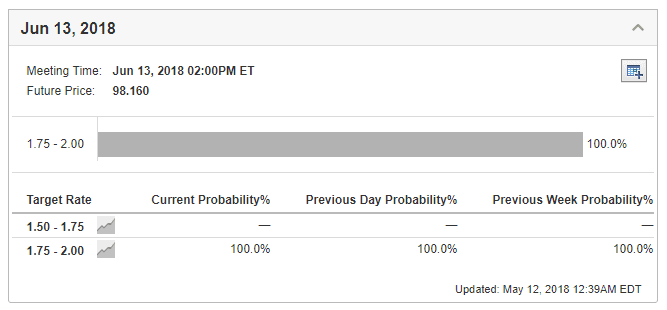
Real Estate Investment Trusts (REITs) is a popular investment vehicle favored by local investors in the recent years. Even with the volatile market outlook, REITs is expected to perform in a stable trend with higher returns. However, with the recent rise in interest rate, should investors look at rebalancing this asset class within their portfolio?
In conjunction with the 4th edition of REITs Symposium – the largest REITs event in Singapore – InsideInvest rounded up 3 of the industry influencers to hear their views on the local REITs landscape for 2H2018. Brian Halim from A Path to Forever Financial Freedom, Kenny Loh from My Stocks Investing and Rusmin Ang from The Fifth Person.
- With the rate hike intensifying, investors are worried that REITs may not be the most ideal asset class to invest in as it is yield-oriented. Do you think the investors’ worries are unfound?
Brian: In my opinion, the worries are not without justification. Indeed, companies that are typically geared with debts (such as REITs) will face a higher cost of borrowing now that the interests are going up. But they are not as simple as that. Firstly, most REITs have hedged their borrowings through a fixed rate and only a small part is floating. This happens to most REITs who have refinanced their loans sometime in 2017 in the wake of higher interest rate. Secondly, higher interest rate symbolizes the economy is doing well. With this, most REITs can secure a higher rental reversion and pass on the costs to the tenants. Therefore, it is not as straightforward that higher interest rates would mean bad for REITs in general.
Rusmin: It’s true that higher interest rates may affect borrowing costs but if we look at the big picture – when the economy is doing well, interest rates, salaries, and spending will go up alongside. In turn, the income and asset inflation of REITs will catch up as well. During the last gradual interest hike between 2004 to 2007, we saw Singapore REITs posting higher appreciation in rental incomes across various REITs sectors such as office, retail and hospitality. Their share prices also performed relatively well back then. So, I think those Singapore REITs with a higher percentage of their loans at fixed rates will remain relatively stable and attractive for investors who want to build consistent passive income.
- Of the many sub-sectors in REITs, which appeal(s) the most to you personally and why?
Brian: I am bullish on hospitality REITs as I think the bottom is over and they should do well in the next few years. This is especially so with the higher demand of hotels from the tourist boost by STB policy as well as completion of Terminal 5 and Jewel by 2020. We have also seen a bottoming in the RevPAR (Revenue Per Available Room) of many hotels as reported from hospitality REITs such as CDLHT, FEHT and OUEHT.
Kenny: For my long-term core portfolio, I have two sub-sectors, i.e. Healthcare and Data Center. I favor these two sectors as they are less sensitive to economic cycles. The demand of healthcare is on a definite rise due to aging population. Technology disruption, Artificial Intelligence, Big Data, Fintech and Cloud Computing need big data storage and processing space in high specs data centers. In general, these two sub sectors have longer WALE (Weighted Average Lease Expiry) and more stable and predictable distribution per unit. As for my short-term satellite portfolio, hospitality sector is my top pick as the current valuation and distribution yield are attractive. Hospitality sector is very cyclical and thus it is more suitable for a tactical play instead of long term holding.
Rusmin: I personally like healthcare and retail REITs. Healthcare REITs usually lease their properties based on a triple net lease structure with built-in rent escalation. They typically have longer leases (i.e. 15 years) and as a result, pay very stable distributions to unitholders regardless of economic cycles. On the other hand, Retail REITs have shorter tenancy leases (two years). In the recent years, they have shown resilience and enjoyed high occupancy rates despite the tough retail market. When the retail market starts to recover, there is room for appreciation in both rental income and distributions.
- REITs ETF – should this be an alternative approach to REITs investing?
Brian The REITs ETF provides a convenient basket of REITs at a go. Depending on one’s knowledge on the different type of REITs sectors, it would be much easier to get the ETF as part of the overall basket.
Kenny: REITs ETF is definitely a good alternative for investors who have very low capital but want to have a diversified REITs portfolio, investors who have limited knowledge about REITs and/or investors who do not have enough time to analyze individual REITs and monitor the stock market and economic news. For investors who know how to analyze individual REITs and have the time to study the market, they can DIY their own REITs portfolio to maximize the distribution yield and achieve capital gain at the same time.
- Do you think the introduction of tax transparency for S-REITs ETF will set an uneven footing for the other players in the market?
Kenny: The introduction of tax transparency for S-REITs ETF will boost additional yield and this is a positive news to investors. Compared to S-REIT ETF, there are not many investments or stocks out there which can provide consistent return of more than 5% p.a., with a diversified portfolio which is backed by tangible real estates.
Rusmin: With the new tax transparency extended to S-REIT ETFs, we are likely to see more funds flowing into the Singapore REITs market. With higher market participation, it will improve both the valuation and liquidity of the REITs market in Singapore.
- In 50 words, please share what is REITs to you.
Brian: REITs is essentially a trust vehicle platform created to own or hold many different kind of property assets across the countries for investors to get dividend rental income yield consistently every quarter / semi-annual.
Kenny: I am a REITs lover as REITs provide stable passive income and backed by tangible real estate, if a right diversified portfolio is constructed. I use the distribution pay out from my REITs portfolio to pay off my expenses. Everyone should include REITs into their own retirement portfolio due to the high return, flexibility and liquidity.
Rusmin: REITs give retail investors the ability to invest in large commercial properties like offices, malls, hospitals, etc without needing heavy capital outlay or mortgages. Many of these properties are best in their class and managed by professionals. Our role as investors is passive, but we still enjoy receiving rental income on a regular basis.
No matter you are a seasoned investor or a working adult just starting to explore investment, REITs is one asset class that you can keep your eyes peeled.
As an exclusive for My Stocks Investing’s readers, register for REITs Symposium via this link and get a 30% discount today! Simply key in the promo code mystocksinvesting to enjoy this promo! http://www.reitsymposium.com/
 REITs Symposium 2018 is the 4th edition of the event and this year, more than 70% of REITs companies will be present at the show.
In this one-day event, attendees get to hear from CEOs of selected companies where they will also showcase their investment merits at respective booths.
Guest of Honor, Mr Lee Yi Shyan, Chairman of OUE Hospitality REIT Management will also be sharing on the REITs outlook of 2018.
Other than a chance to hear from industry experts on topics like – REITs with overseas assets and opportunities of REITs ETF – during panel discussions, attendees also get to meet up close and personal with the management team of the participating REITs.
For more information and full program, check out the website here!
http://www.reitsymposium.com/